After a delicious breakfast, we depart early in the morning in an air-conditioned minibus for the nearby Bay of Biscay, known in Basque as "Bizkaiko Golkoa."
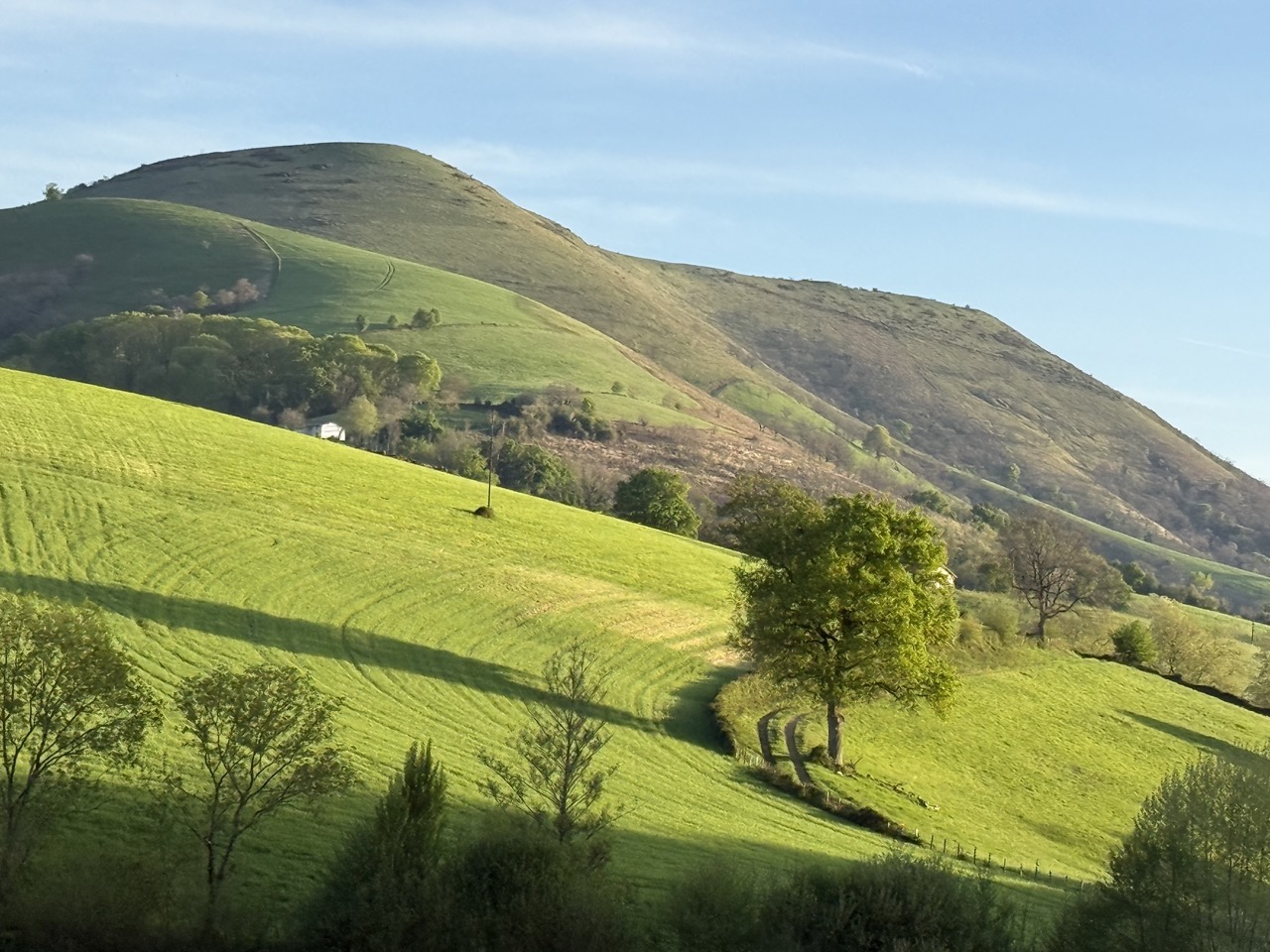
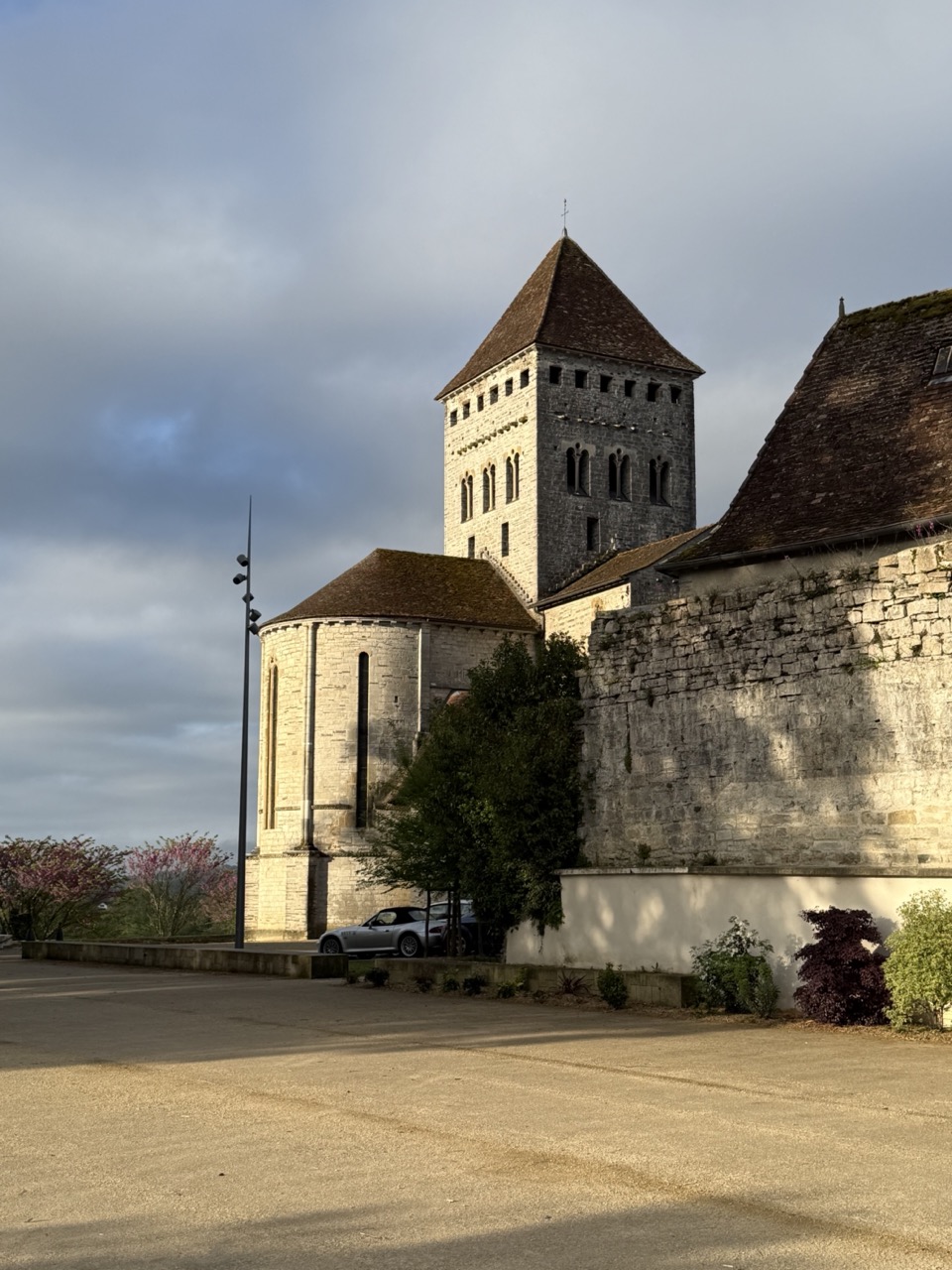
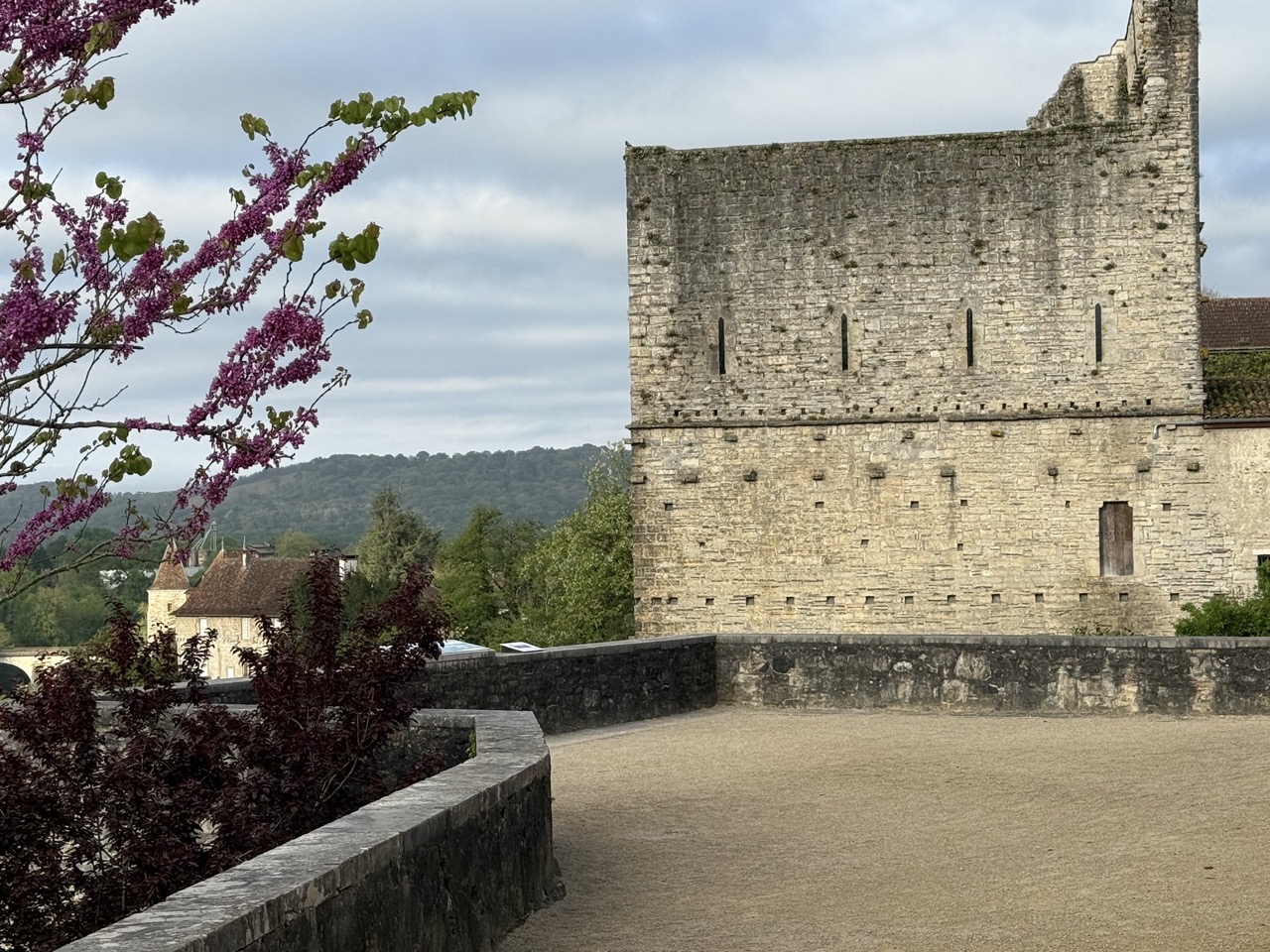
We stop for a coffee break in the medieval town of Sauveterre-de-Béarn. We take some time to enjoy the panoramic view of the Oloron River with its verdant banks, the Monréal Tower, the bell tower of the Church of Saint-André, and the fortified walls of Sauveterre-de-Béarn. From the church terrace, we admire the lush green landscape, with the Pyrenees mountain range rising in the distance.
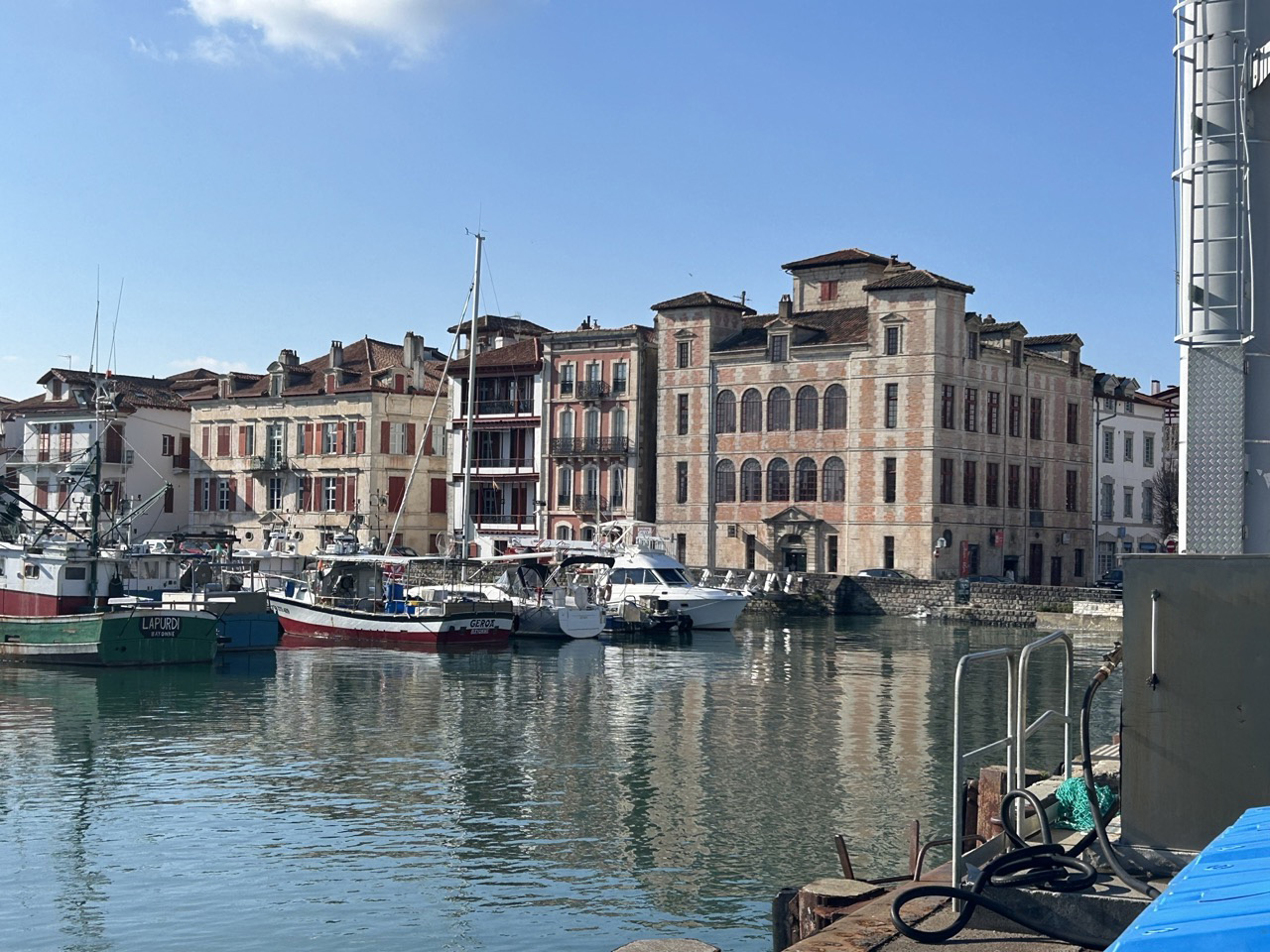
Afterwards, we continue our journey to the small port town of Saint-Jean-de-Luz. Saint-Jean-de-Luz was originally a modest village nestled in the dunes at the mouth of the Nivelle River.
In the 15th century, Basque fishermen from Saint-Jean-de-Luz were the first to explore the Grand Banks off Newfoundland in search of cod and whales. Cod fishing, along with whaling, contributed significantly to the town's prosperity.
From the 16th to the 18th centuries, Saint-Jean-de-Luz became a haven for privateers who captured ships in the Atlantic on behalf of the French king.
Saint-Jean-de-Luz reached its zenith on June 9, 1660, when Louis XIV married Marie-Thérèse of Austria, the Infanta of Spain, there. The king resided in the Haus Lohobiagaénéa, and the Infanta in the Haus Joanoenia, today known as the "House of the Infanta."
The door of the Church of San Giovanni Battista, through which the royal couple walked upon leaving the church, was bricked up three years after the ceremony.
We visit the port and the old town and stroll along these historically significant paths.



We'll eat at a typical Basque restaurant in Saint-Jean-de-Luz and enjoy the distinctive Basque cuisine.
Basque cuisine, with its vibrant colors, aromas, and flavors, is incredibly diverse. The Basques are proud of their regional products and traditional recipes. The region's geographical location between the Pyrenees, the ocean, and its proximity to Spain has shaped Basque cuisine.
It's down-to-earth, authentic, and has a subtle Spanish influence. Piment d'Espelette, the fiery French chili, accompanies many Basque specialties.
For dessert, we mustn't miss the Gâteau Basque, a traditional Basque cake. It can be enjoyed plain, filled with cream, or with black cherries from Itxassou.
After dinner, we'll stroll through the historic harbor and the old town.
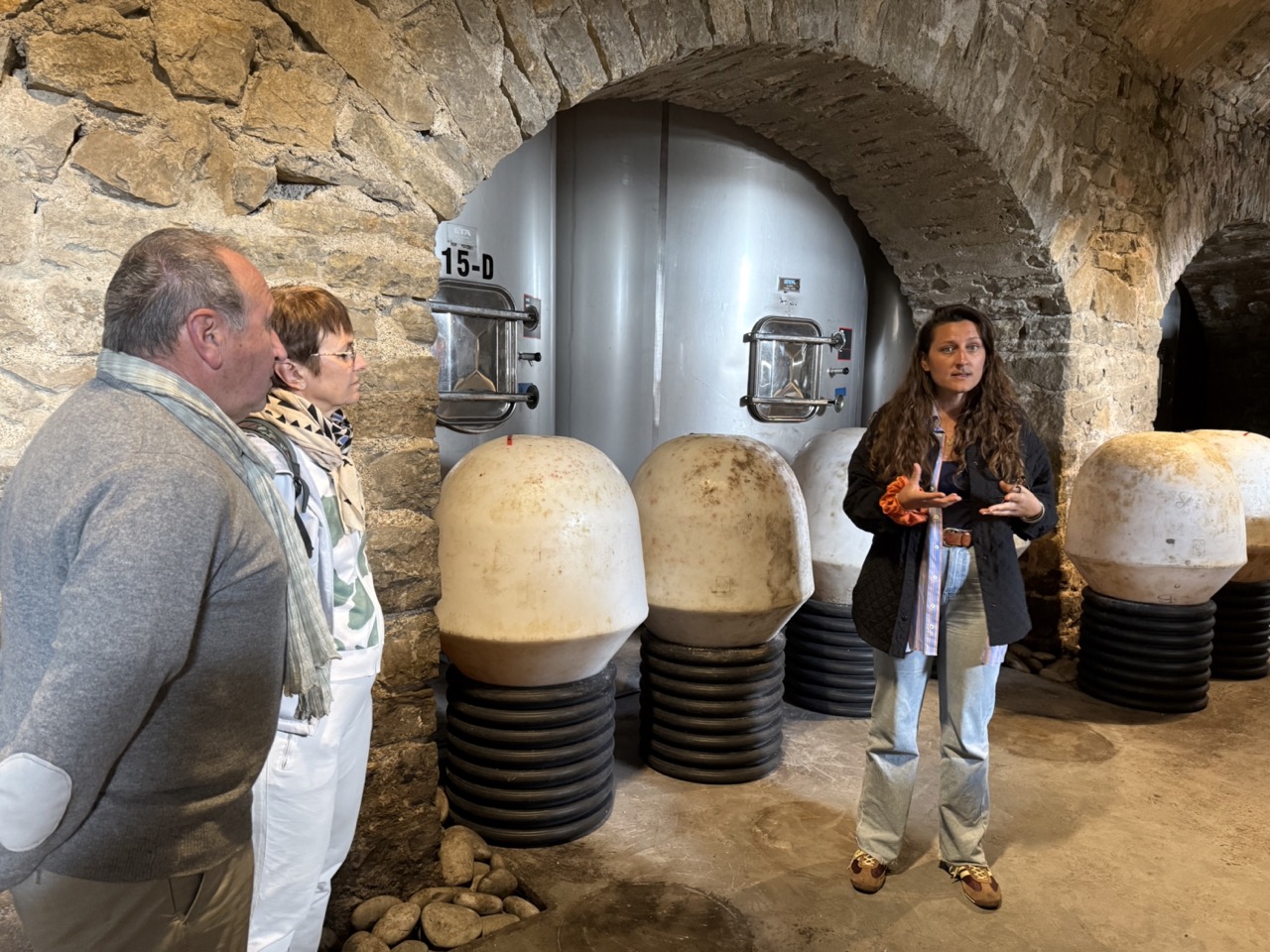
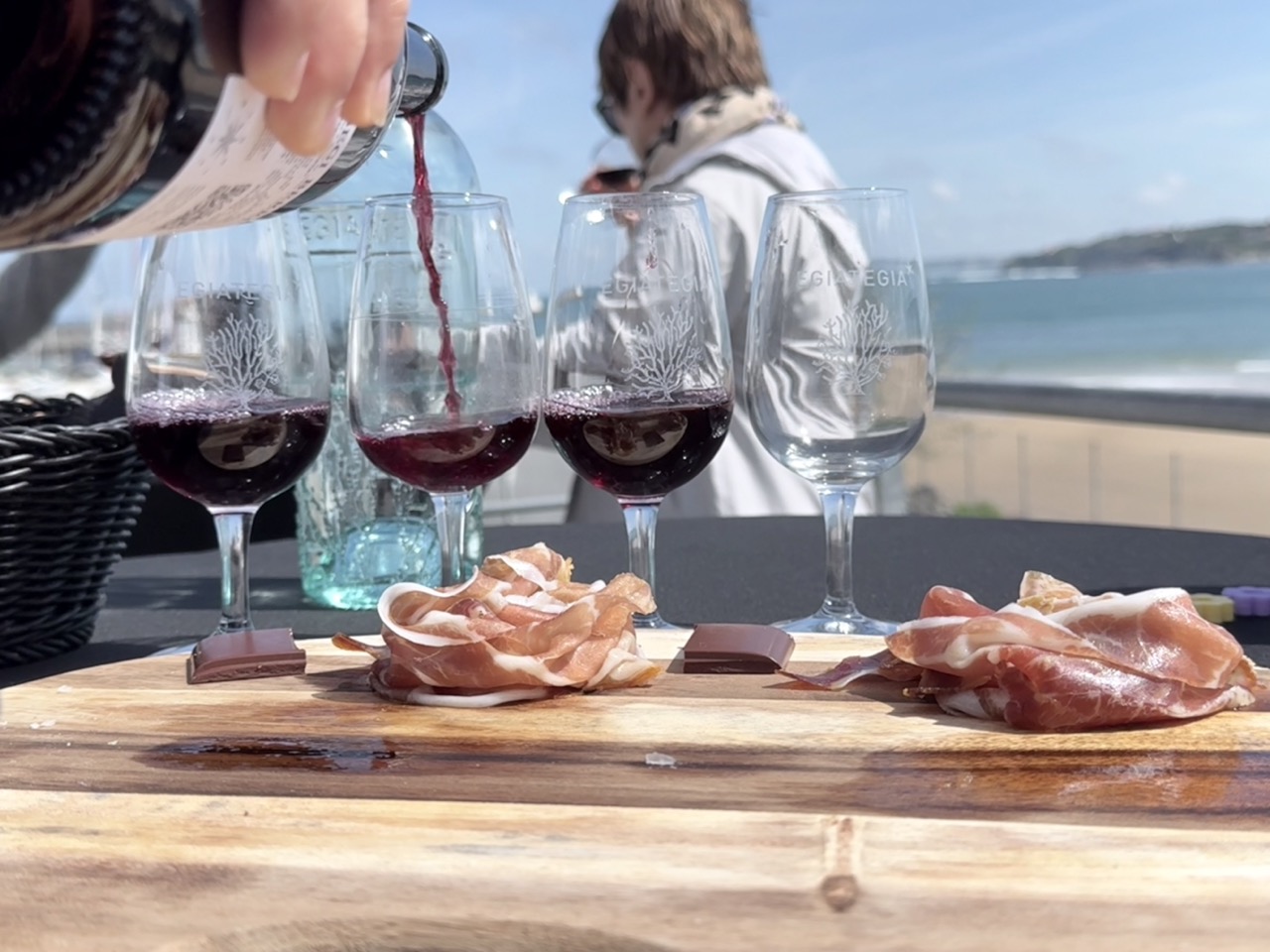
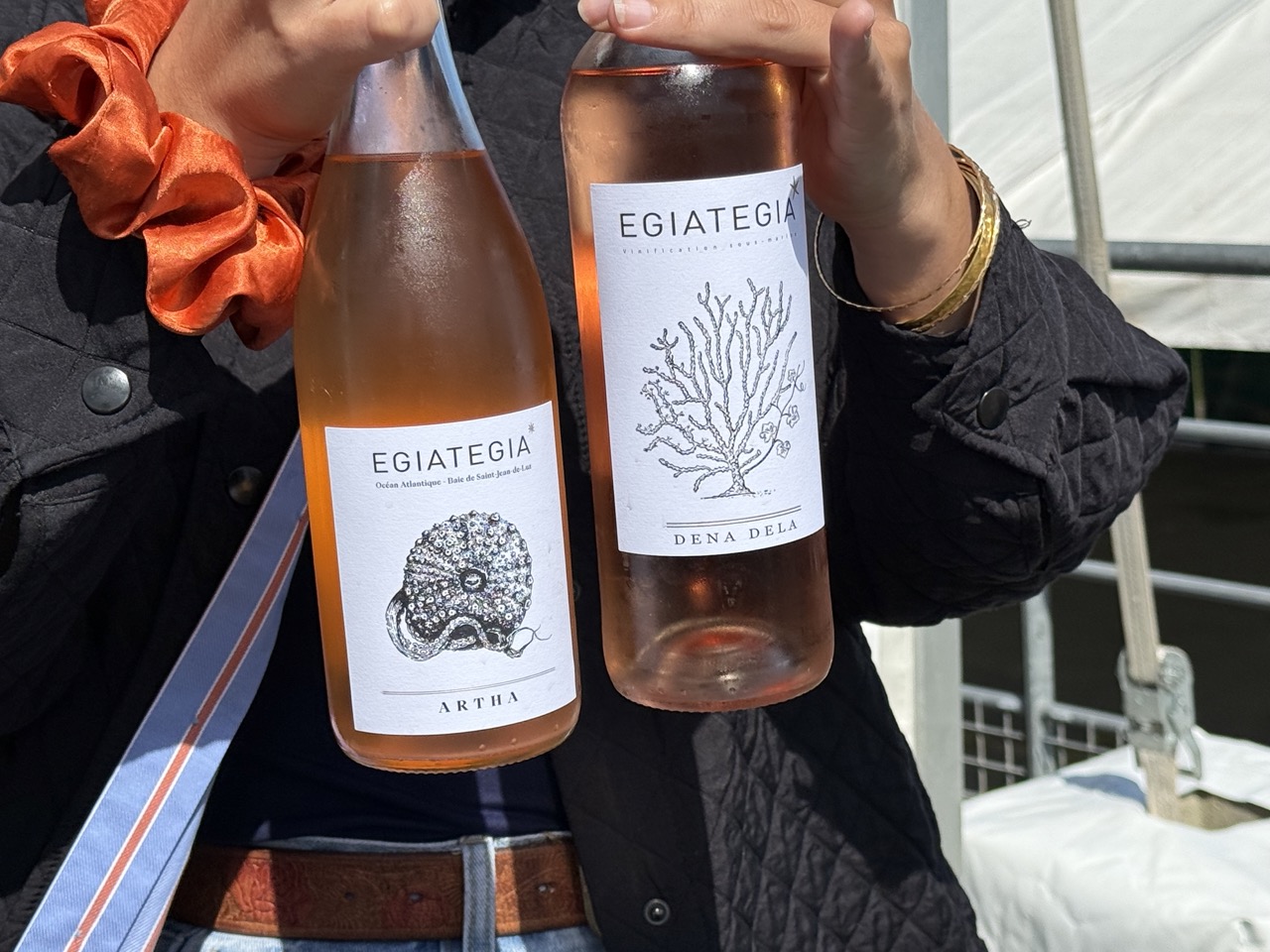
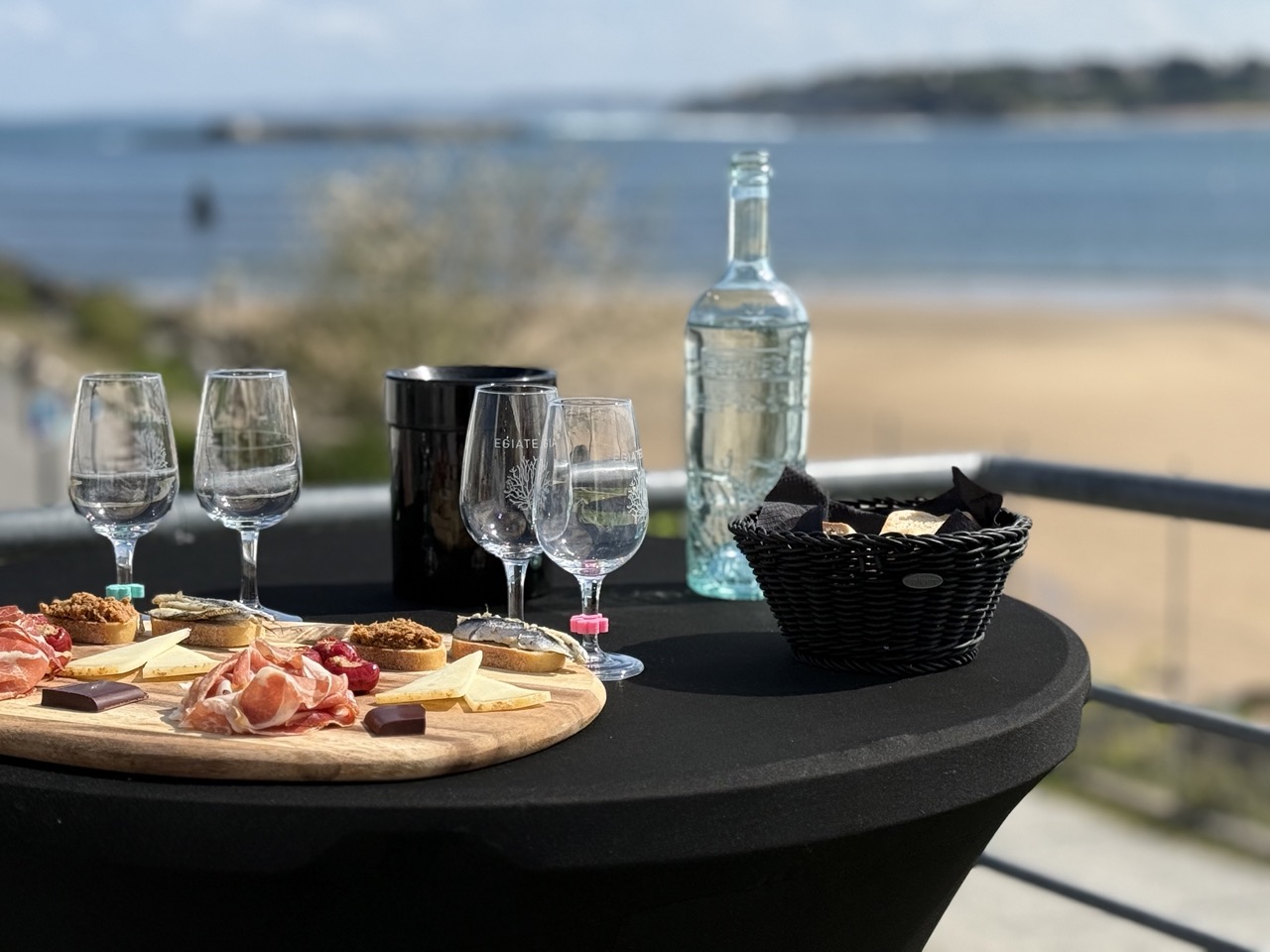
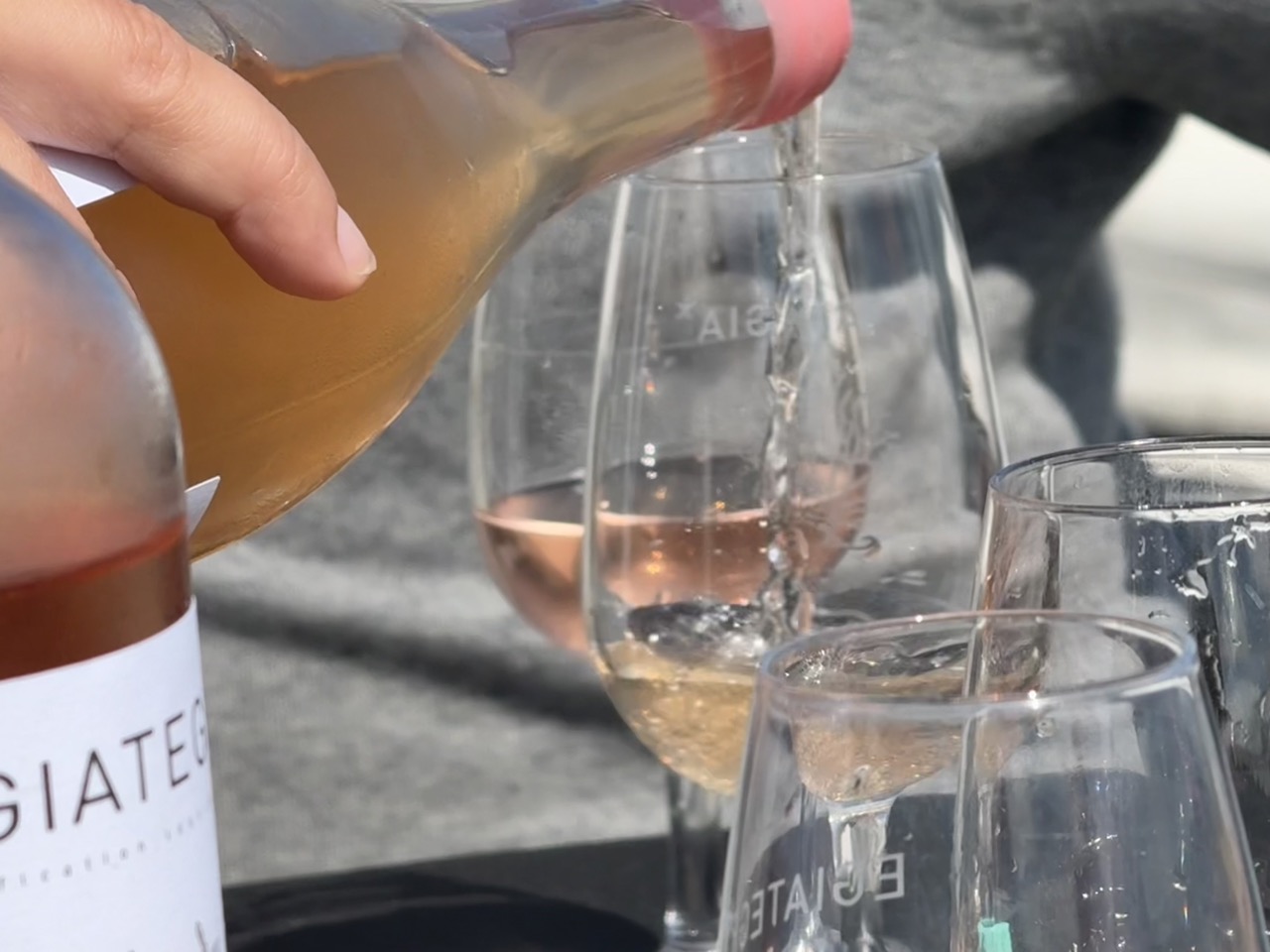
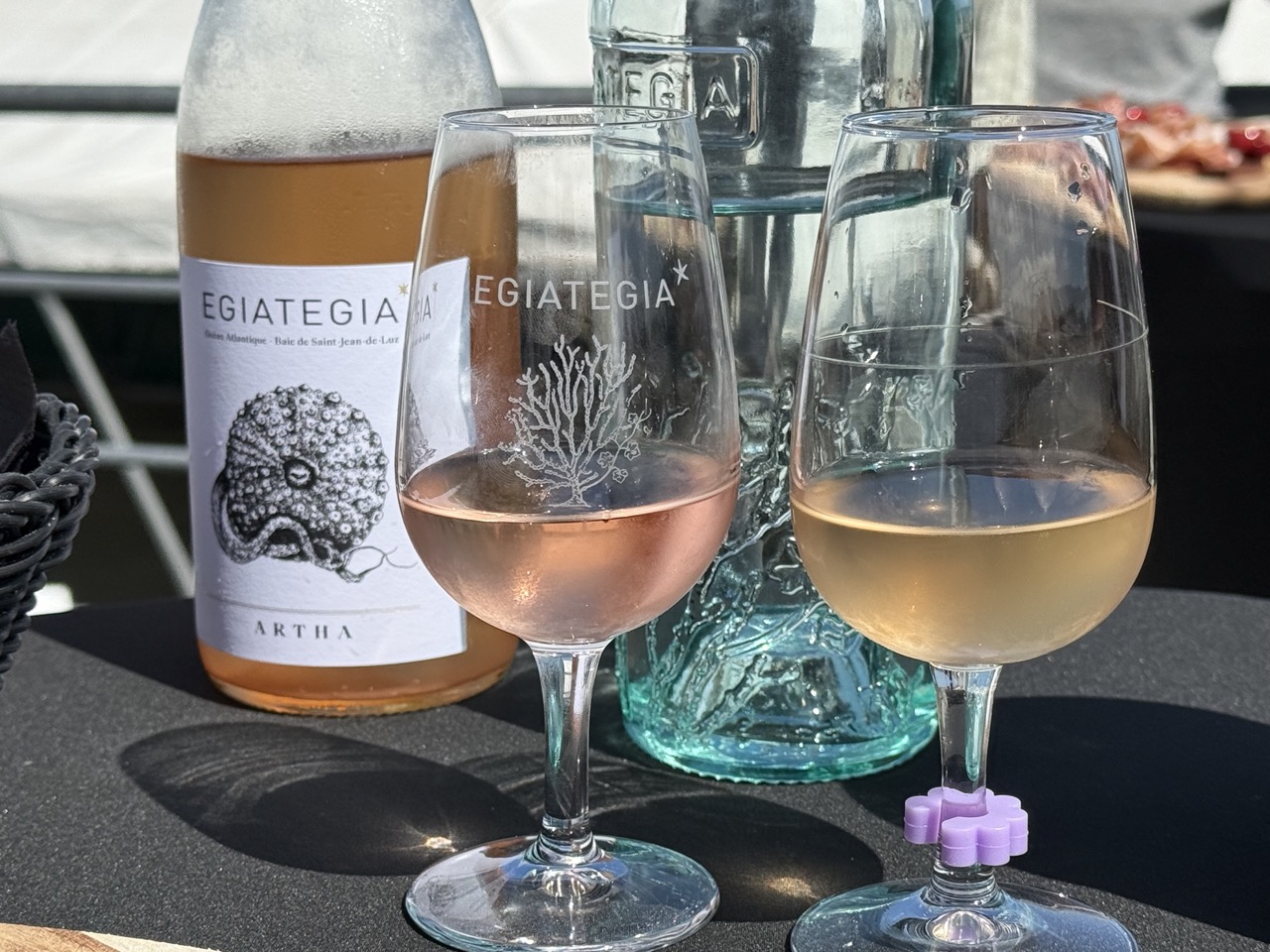
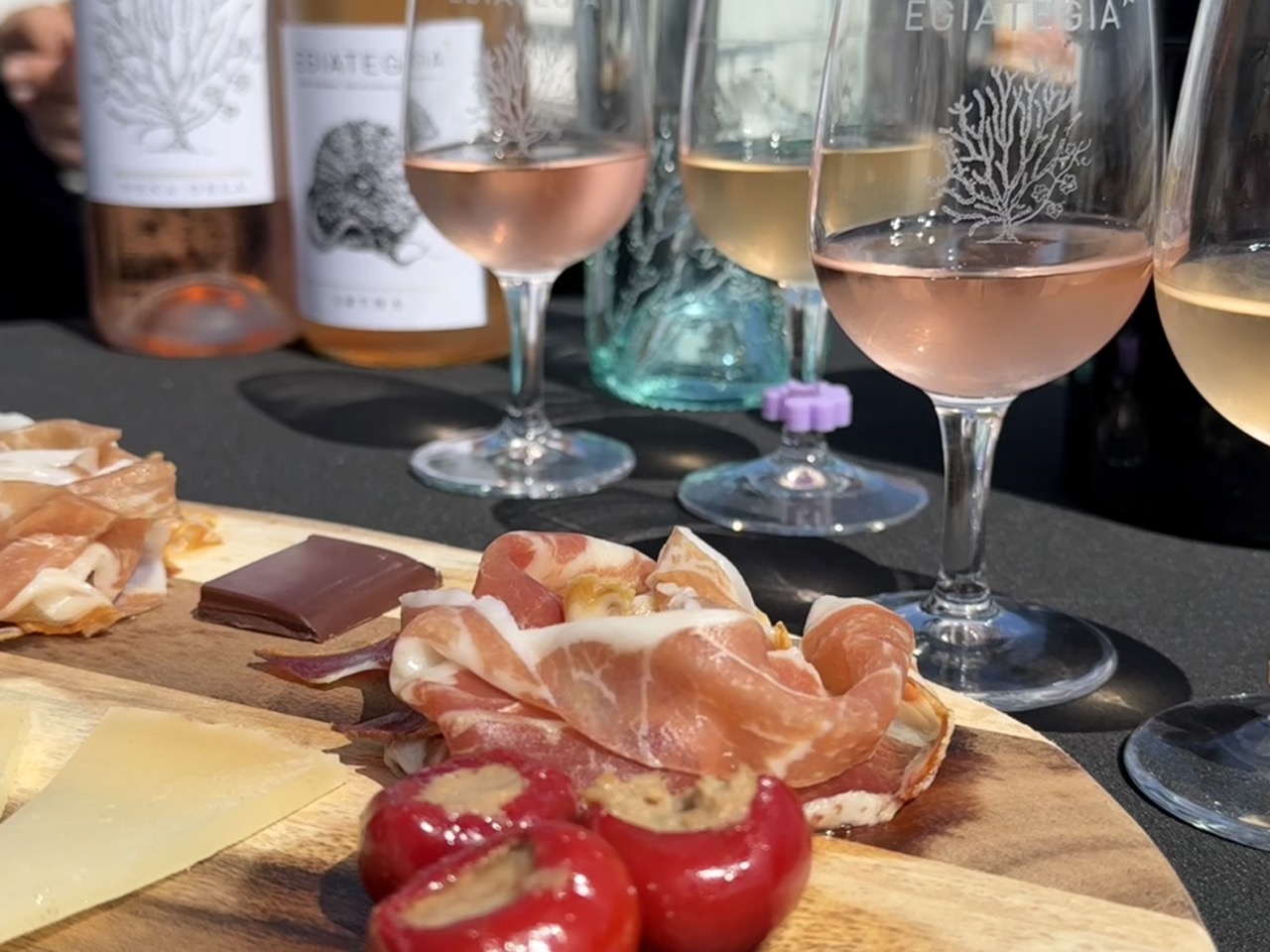
A special highlight of our visit to Saint-Jean-de-Luz is a tasting of six very special white, rosé, and red wines, accompanied by selected pintxos.
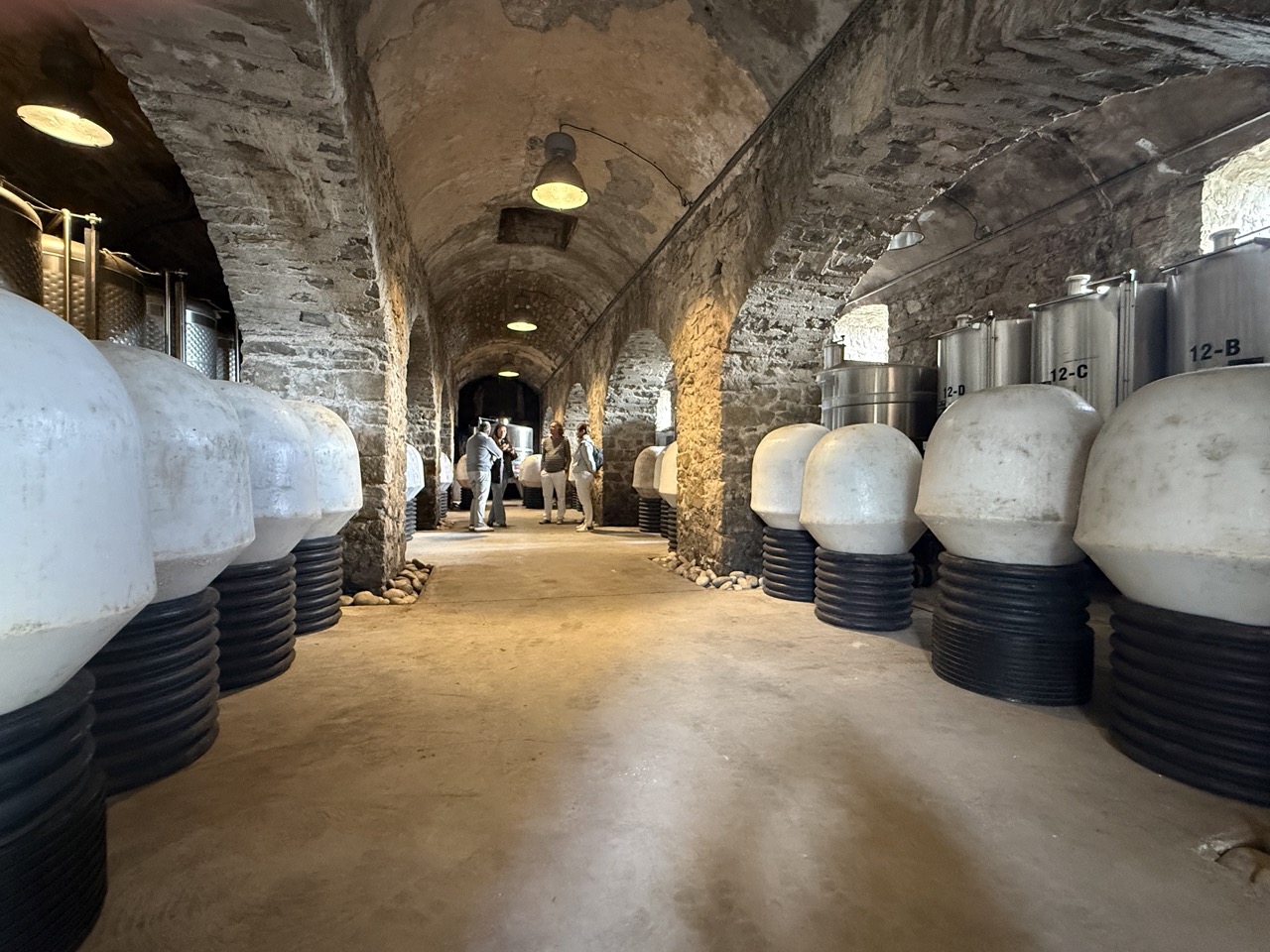
At the winery in Socoa, in the bay of Saint-Jean-de-Luz, winemaker Emmanuel Poirmeur harnesses the power of the ocean to create a unique wine.
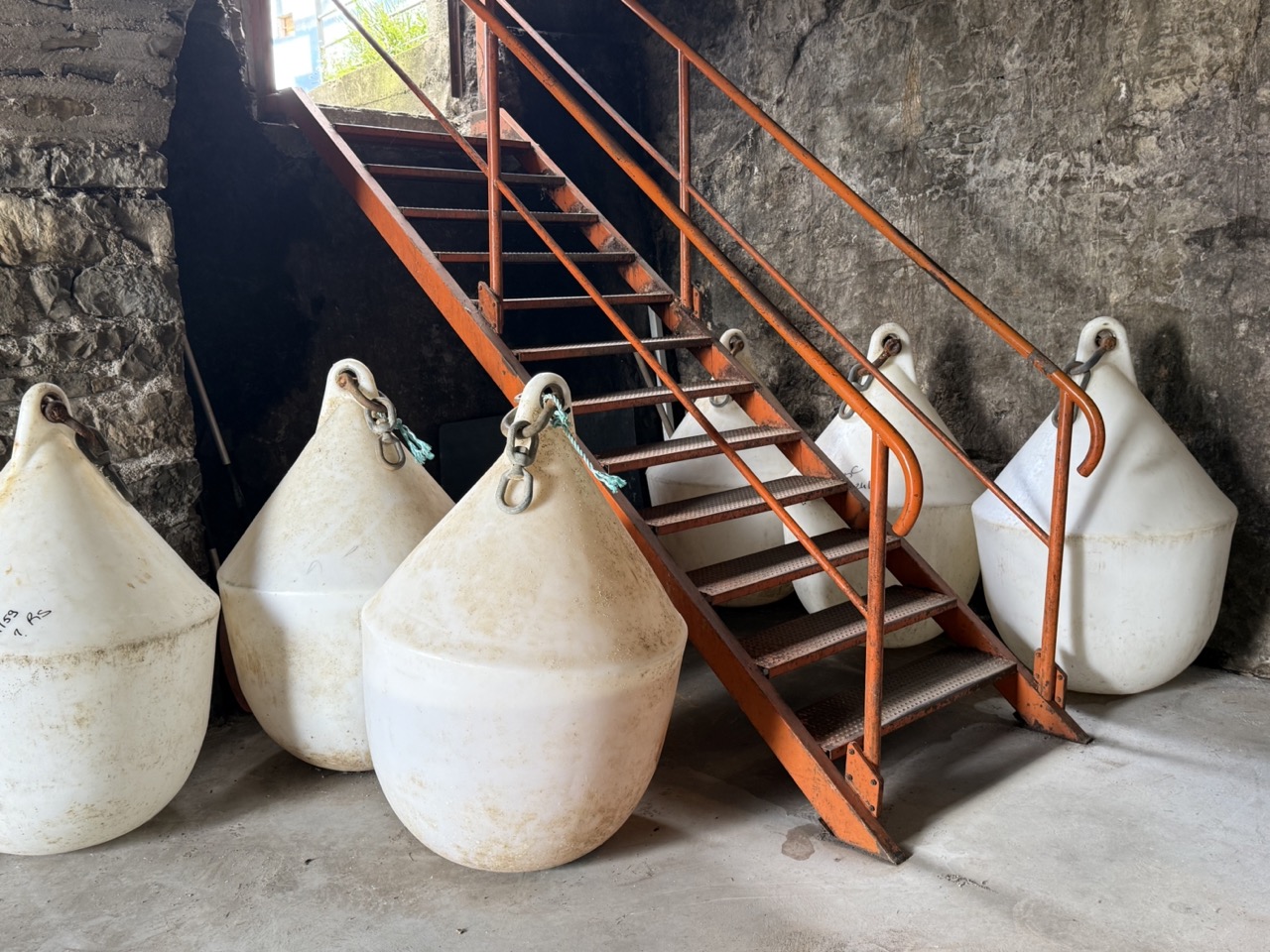
Underwater, at a depth of approximately 15 meters, the wine develops differently: pressure alters the fermentation process, thermal stability refines the balance, and currents influence the autolysis of the yeast. This underwater fermentation produces white, rosé, and red wines with unexpected notes—more refined and nuanced. Wines that bear the signature of the sea…
In the early evening, we return to Château Lestéous and end the day with delicious wine and seafood, and conversation about everything under the sun.





• Extensive breakfast with local produce and fresh eggs from our organic chickens
• Travel in an air-conditioned minibus via Sauveterre de Béarn to the Bay of Biscay
• Visit to the historic port city of Saint-Jean-de-Luz
• Lunch in a typical Basque restaurant (drinks are paid separately by our guests)
• Stroll through the old town
• Wine tasting of special wines from the sea, accompanied by delicious pintxos
• Return to the château
• Ending the day with good Basque cheese and ham, Basque wine, and pleasant conversation in a small group